
You’ve spent weeks memorizing port numbers, cryptographic algorithms, and framework lifecycles. You open your first full-length practice exam, set your phone timer for three hours, and dive in. You feel good—until you look up and realize you have fifteen questions left and only four minutes on the clock.
Panic sets in. You scramble, blind-guess, and fail.
What went wrong? You knew the material, but your time management strategy was fundamentally broken. Relying on a single countdown clock is one of the most common reasons well-prepared candidates fail high-stakes exams like the CISSP, Security+, and PMP.
Here is exactly why your single-clock strategy is failing you, and the simple, dual-clock workflow you need to fix it.
1. The Single-Clock Trap: Blind Spots and False Security
A standard exam timer tells you only one thing: how much total time you have left before the lights go out. It gives you a macro view of your endurance, but it completely blinds you to your micro-pacing.
When you track only total time, you fall into a false sense of security during the first half of the test. You spend four minutes overanalyzing a tricky scenario question early on, telling yourself, "It’s fine, I have plenty of time left." By the time the single clock drops into the danger zone, the damage is already done. You didn't realize that by overspending on a handful of early items, you permanently ruined your required pacing for the rest of the exam.
2. The Explanation Penalty: Why Standard Timers Break Practice Sessions
When you practice with high-quality mock questions—like those from Pocket Prep—the most valuable part of your study session is reading the detailed answer explanations. You need to know why a choice was right or wrong immediately after attempting the question.
However, if you use a standard kitchen timer or browser stopwatch, the clock keeps ticking while you read.
If you spend 45 seconds answering a question and three minutes analyzing the explanation, your standard timer penalizes your overall session metrics. Your data becomes useless. You are forced to choose between practicing realistic test-day timing or actually learning from your mistakes.
3. The Dual-Clock Cure: Isolate Your Speed from Your Endurance
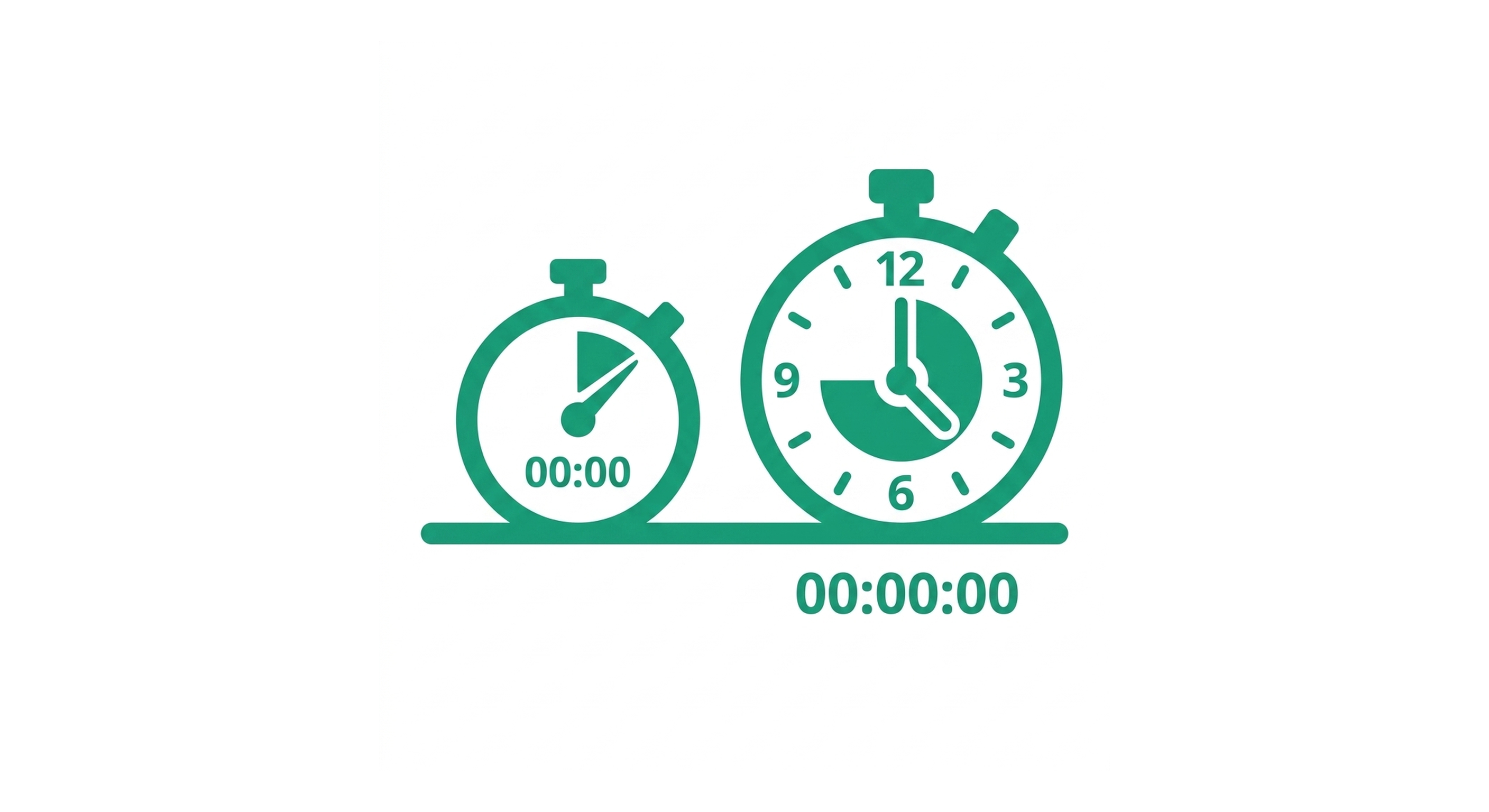
To master high-velocity certification exams, you must separate your macro time from your micro time. You need a Dual-Clock System:
- The Macro Clock: Tracks your overall testing endurance and the absolute hard deadline of the exam.
- The Micro Clock: An isolated countdown dedicated exclusively to your per-question target pace (usually 30, 60, or 90 seconds).
This setup forces you to build a rhythmic, internal biological clock. Every single question becomes a self-contained sprint. If your micro-timer hits zero, you instantly know you are over-investing in that question and need to mark it, move on, and protect your remaining time.
4. Enter Smart-Pause: How to Practice Pacing Without Losing Context
The ultimate evolution of the dual-clock strategy is Smart-Pause logic, which is exactly why I built CertPacer.com.
When your per-question micro clock hits zero, the entire system automatically pauses—including the overall macro clock. This features gives you the best of both worlds:
- It signals that you exceeded your ideal pace for that question type, delivering an immediate reality check.
- It pauses the session so you can thoroughly read the answer explanations, take a breath, or review your notes without artificially draining your total simulated exam time.
Once you hit the spacebar or click "Next Question," both clocks instantly resume. Your final metrics show your actual active answering velocity, giving you pristine analytics on your readiness.
Stop practicing blindly. Build the muscle memory to manage the clock before you sit for the real exam. Head over to CertPacer.com, choose your target certification, and start training with a dual-clock system today. It is completely free, requires zero signup, and is built to keep you focused.